HOW WE
WORK
1. Understand the setting
We start with the context: who the programme is for, what needs to change, what already exists and what needs careful handling. We work through this with partners and local teams.
Subject specialists and local stakeholders help structure the content, safeguarding approach and intended outcomes.
2. Shape the programme
An existing No Strings film can be re-dubbed and adapted for a new context. Sometimes new characters, stories or activities are needed. In other programmes, participatory puppetry may sit at the centre without film at all.
Session design, language, characters and materials are developed around the age group, setting and practical realities of delivery.
3. Prepare local facilitators
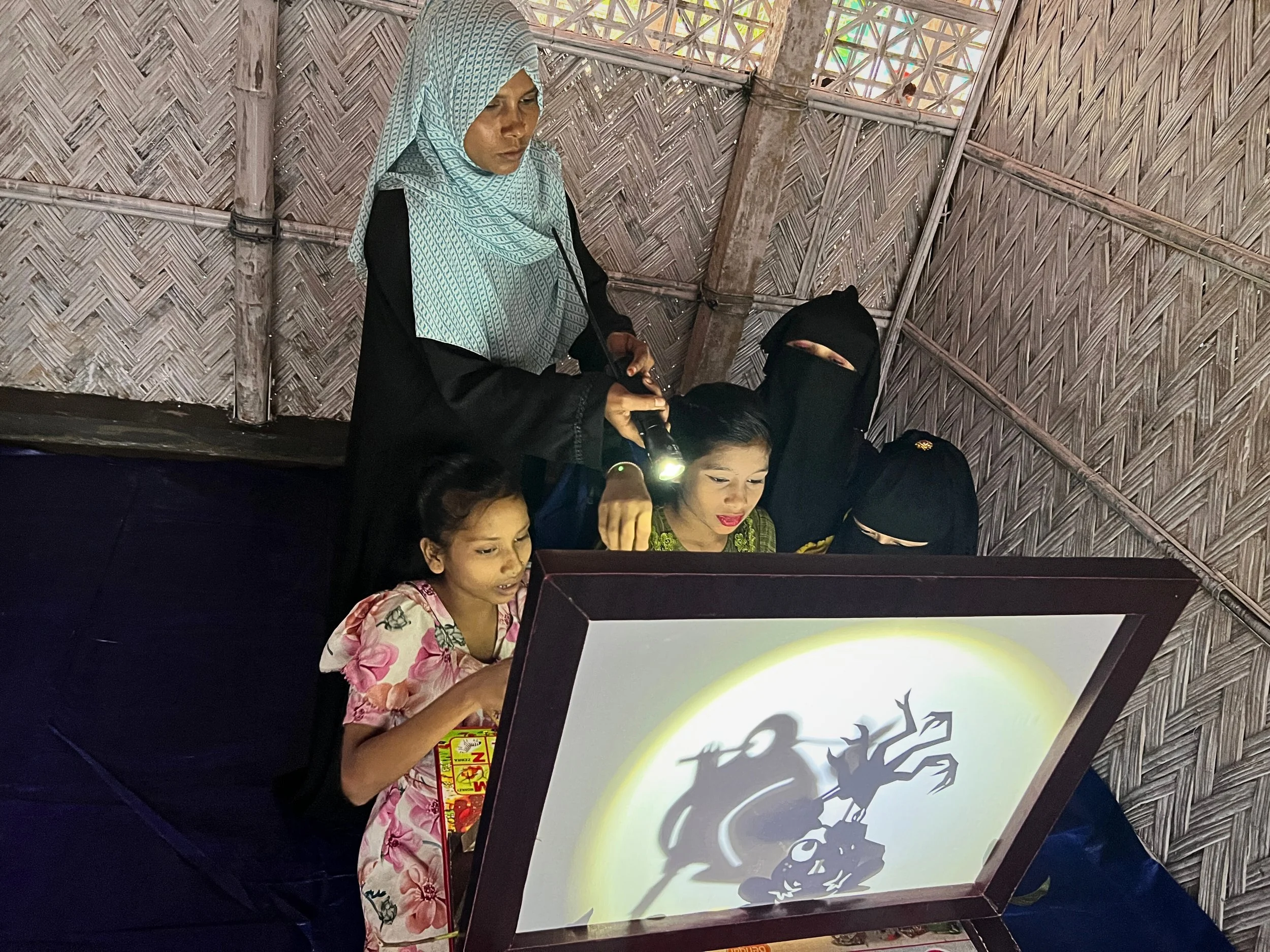
Teachers, community workers and partner staff learn the approach by doing it themselves: bringing puppets to life, facilitating activities, working with stories and practising the sessions they will later lead.
Training is supported by clear session plans, manuals and practical resources.
Where programmes continue or grow, we work with partners to build in observation, mentoring, feedback and refresher support so that facilitators can develop confidence and quality over time.
4. Support rollout and scale
Programmes are designed to work through existing systems rather than create parallel structures.
Puppets can be made locally, films can be translated, and materials adapted for different settings. Where appropriate, programmes can grow through supported trainer-of-trainers and cascade models.
The aim is not to keep No Strings at the centre of delivery. It is to leave local teams with an approach they understand, can use well and can continue to develop.
-
![]()
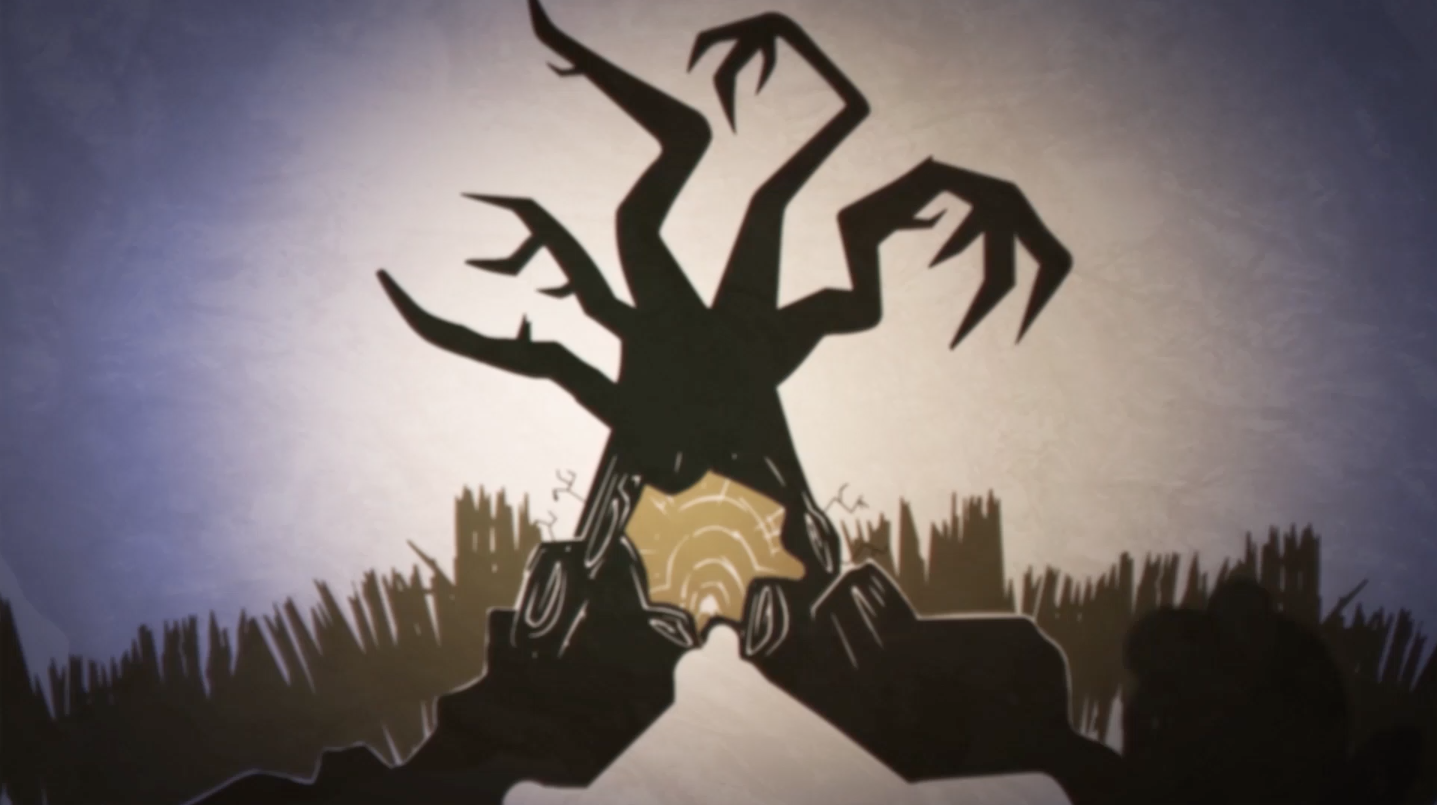
We work with local communities on key message content and expression.
-
![]()
We bring these messages to life through film.
-
![]()
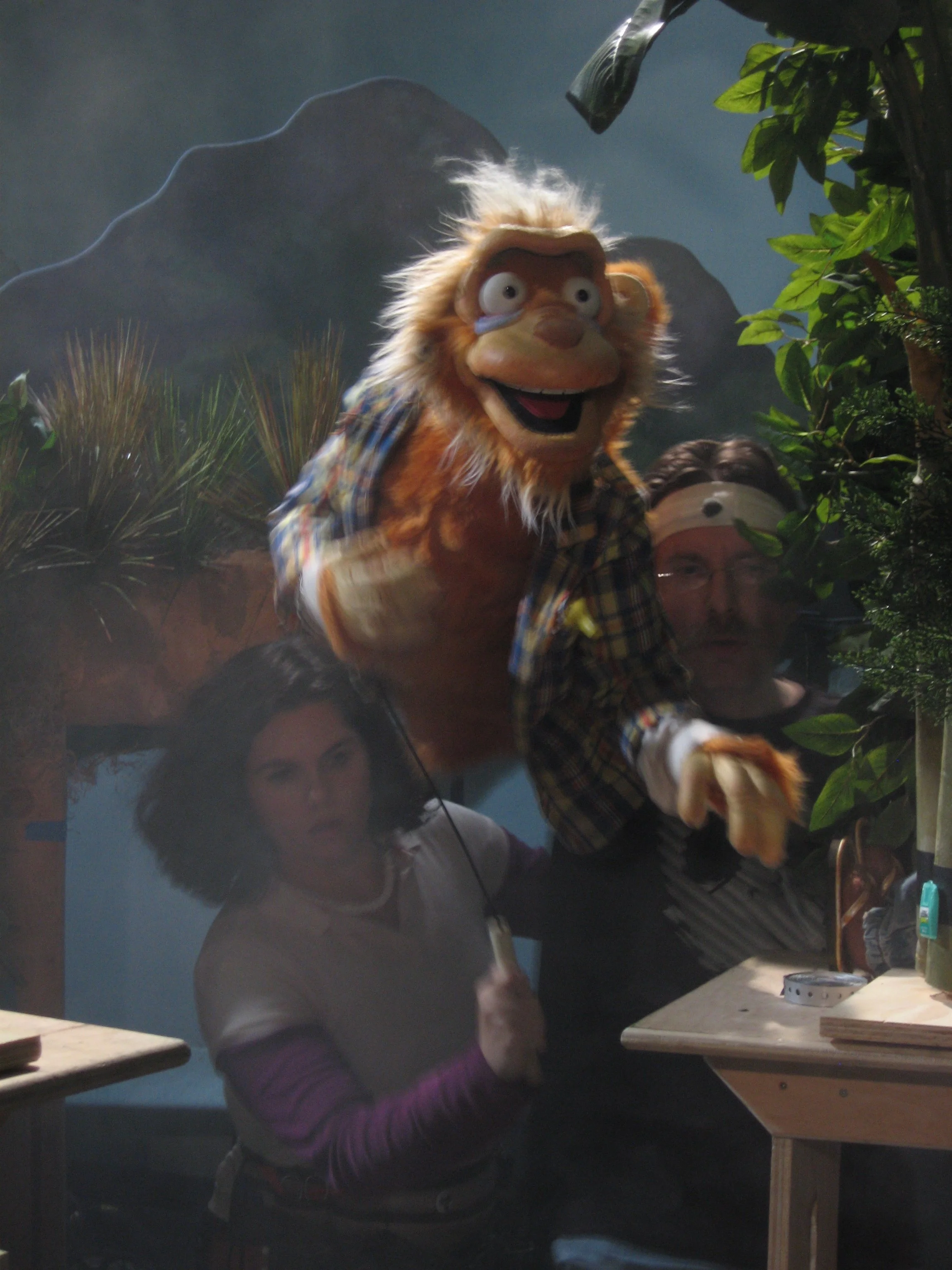
Shooting with some of the best puppeteers in the film world.
-
![]()
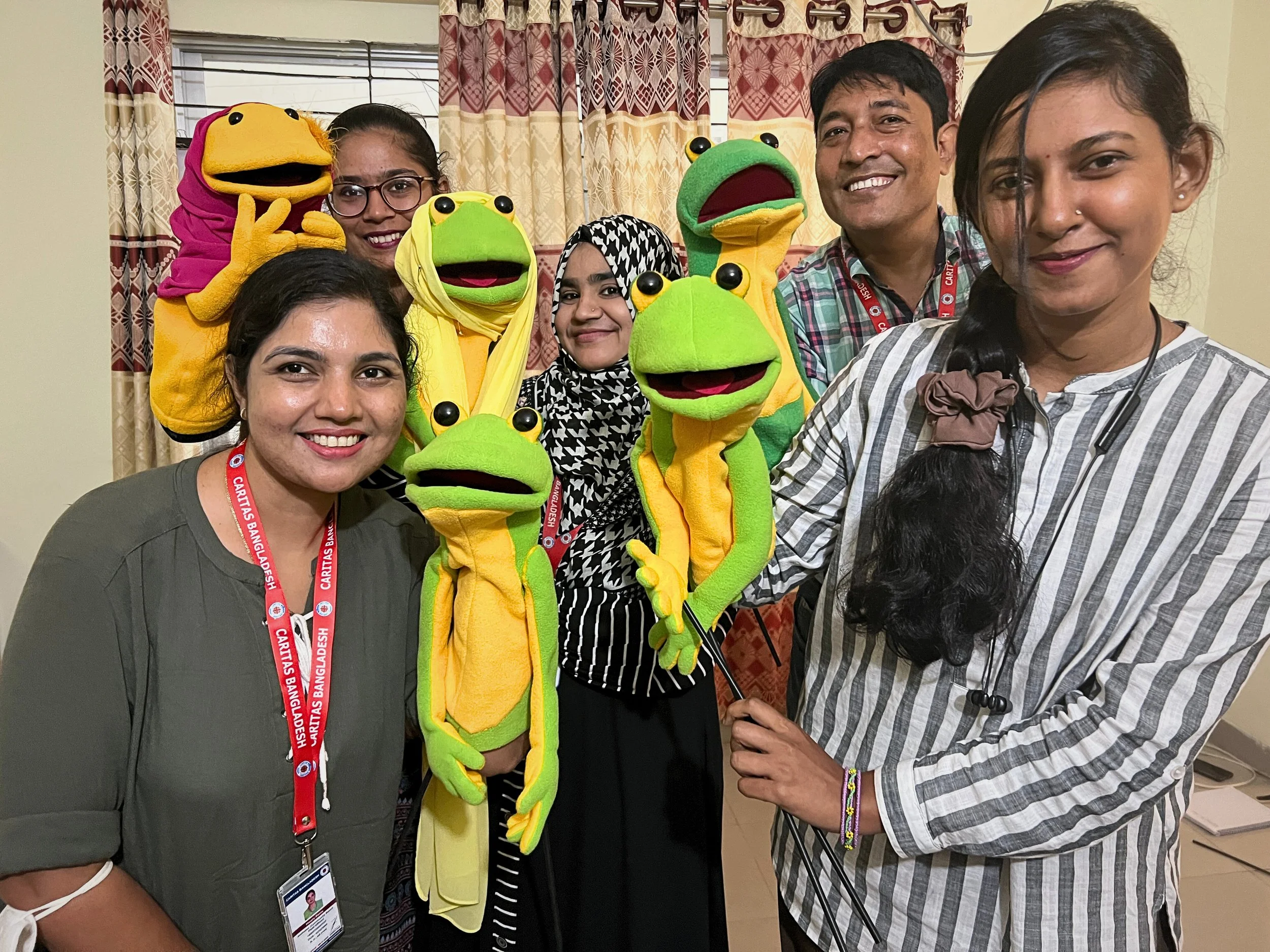
We train local facilitators in country.
-
![]()
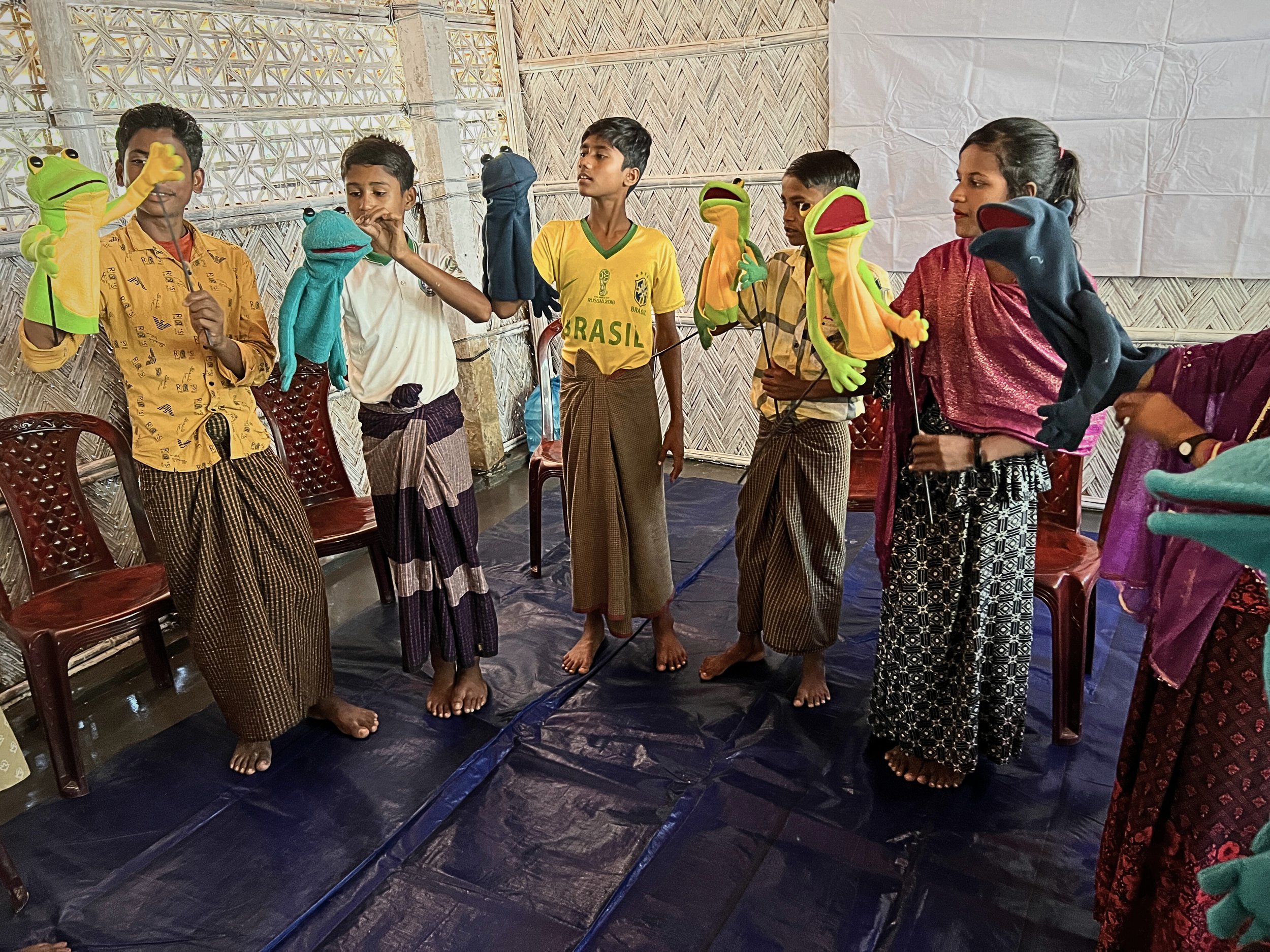
They reach out to target audiences.
-
![]()
Who explore the film’s messages through a range of imaginative activities.